Empowering children to process, adapt, and comfortably engage with the sensory world around them.
Every second, our nervous system receives millions of signals from sight, sound, touch, movement, and gravity. When a child experiences sensory processing challenges, their brain struggles to filter, interpret, and organize this incoming information—often leading to overwhelming anxiety, frequent meltdowns, hyperactivity, or extreme withdrawal.
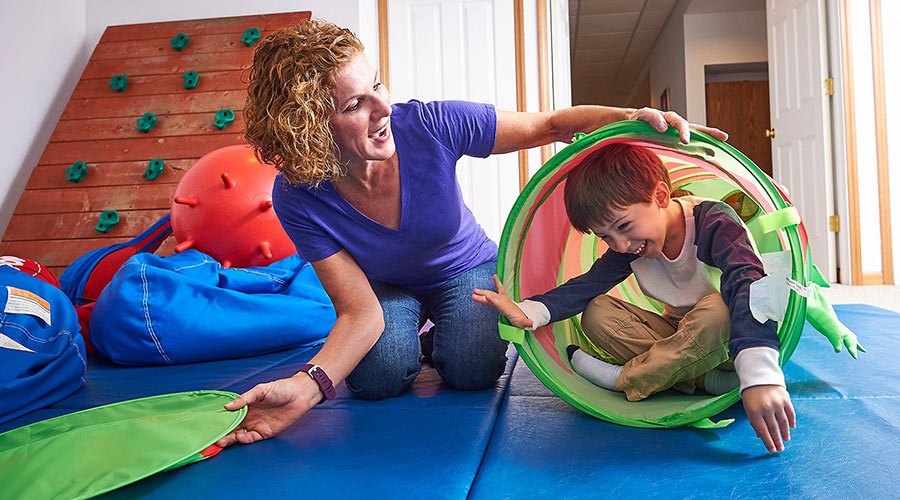
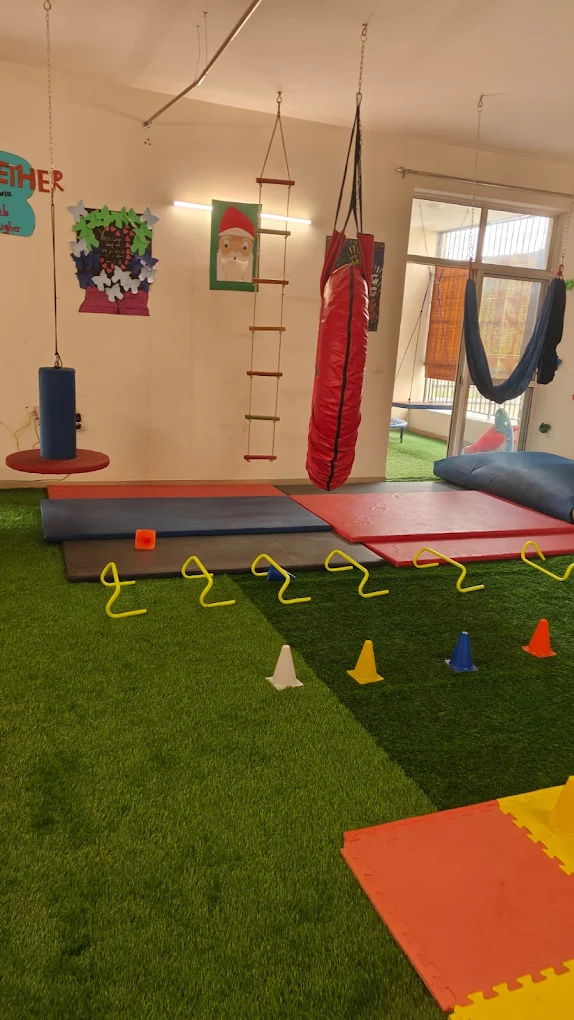
At Trisha Neuro Development Clinic (TNDC), our Sensory Integration Therapy is rooted in the proven Ayres Sensory Integration (ASI®) principles. Guided by Dr. Ekta J Daftari, we utilize play-based, child-centered therapeutic activities inside a fully equipped sensory gym. By providing the "just-right" sensory challenge, we help rebuild neural connections so your child can feel safe, regulated, and confident in their everyday life.
Sensory processing issues display differently in every child. Recognizing whether your child is over-sensitive, under-sensitive, or seeking sensory input is the first step toward the right support.
Feels sensory input too intensely. The environment feels overwhelming, triggering "fight or flight" responses.
Brain receives muted sensory input. The child may appear passive, sluggish, or slow to respond to surroundings.
Craves intense physical sensations to feel grounded. Constantly on the move to stimulate their nervous system.
Sensory processing goes far beyond the 5 traditional senses. We work across all 8 internal and external sensory systems to build neurological balance.
Receptors in the inner ear that tell the brain where the head is in space, regulating equilibrium, motion tolerance, and gravitational safety.
Sensors in muscles and joints informing body position and how much force to apply—critical for holding pencils, sitting upright, and walking smoothly.
Differentiating light touch, temperature, pressure, and textures; essential for fine motor tasks, self-dressing, and comfort in clothing.
The sense of internal physiology—detecting hunger, thirst, full bladder, heart rate, fatigue, and emotional arousal states.
Interpreting light, tracking lines of text, spatial boundaries, and visual memory needed for classroom attention and reading.
Filtering background chatter from teacher instructions, following multi-step verbal cues, and tolerating sudden loud environments.
Helping children overcome food texture aversions, expand mealtime varieties, and tolerate diverse environmental scents.
The ability to conceptualize, plan, and coordinate unfamiliar motor actions like riding a bicycle, climbing stairs, or sports.
Sensory Integration Therapy is highly effective for children with neurodivergent diagnoses as well as children experiencing standalone sensory processing difficulties.
Our clinical sensory gym is specifically designed to provide graded sensory inputs in a secure, joyful, and motivating environment.
Bolster swings, tire swings, and sensory cocoons for controlled rotational and linear vestibular stimulation.
Deep-pressure "heavy work" obstacle courses that build motor planning, core stability, and upper body strength.
Multi-textured stepping stones, textured brushes, and ball pits for gradual tactile desensitization.
Dimmable fiber-optic lights, bubble tubes, and weighted blankets for self-regulation and down-regulating excitement.
We ensure a structured, evidence-based roadmap customized to your child's specific neurological profile and family routine.
Standardised assessments by an expert combined with clinical observation in our sensory gym.
Collaborating with parents to define clear functional milestones (e.g. tolerating haircuts, sitting for meals, writing).
Play-based, child-directed sessions with qualified and trained therapists delivering the "just-right" adaptive sensory challenge.
Actionable daily schedules with regulating exercises that parents and teachers can easily implement.
Tracking quantifiable progress every 3–6 months to graduate the child toward greater independence.
Therapy does not just improve sensory test scores—it transforms everyday life for your child and your whole family.
Children develop internal regulatory tools to manage sensory overload before escalating into distress.
Optimized postural stability and proprioception enable steady sitting, pencil grip, and learning stamina.
Brushing teeth, taking showers, wearing socks, and haircut appointments become comfortable routines.
Children confidently navigate park equipment, respect peer boundaries, and engage in cooperative play.
Have questions about how Sensory Integration Therapy can support your child? Here are answers to what families ask most.
Consult Our SpecialistSensory Integration Therapy is a specialized, post-professional sub-specialty within Occupational Therapy. While general OT targets functional motor tasks (such as buttoning shirts or handwriting), SIT addresses the underlying neurological processing and sensory pathways in the brain that make those motor skills possible.
Sensory meltdowns are involuntary neurological responses to feeling overwhelmed, whereas behavioral tantrums are typically goal-directed. A child experiencing a sensory meltdown cannot simply "snap out of it" with rewards or discipline. Our clinical assessment precisely differentiates sensory triggers from behavioral patterns.
A "Sensory Diet" has nothing to do with food. It is a personalized, scheduled plan of physical sensory activities designed to keep a child's nervous system calm, organized, and focused throughout the day.
Early intervention yields the most profound neuroplastic benefits. Children can begin as early as 18 months to 2 years old. However, sensory therapy is also highly effective for school-aged children, adolescents, and teens experiencing regulation difficulties.
Most parents start observing small shifts from the first month itself. With regular and correct therapy the improvements gradually become more profound when paired with parental involvement and home sensory diets.
Individual Therapy session is for 40 mins. and looks like joyful, guided play. The therapist facilitates activities on swings, obstacle courses, tactile materials, and climbing apparatus (depending on the sensory issues and goals being worked on)—carefully adjusting the intensity, to challenge the nervous system without causing distress.