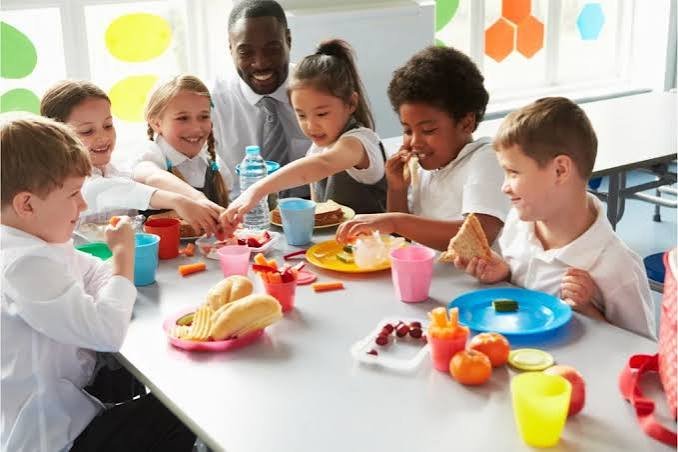
Building confident communication, empathy, cooperation, and lasting friendships in a supportive peer group.
While individual therapy builds foundational skills, real-world socialization occurs in dynamic peer settings. Many children who communicate well with adults experience anxiety, isolation, or behavioral friction when surrounded by same-age peers.
At Trishaa Neuro Development Clinic, led by Dr. Ekta J Daftari, our Group Therapy programs match children in small cohorts (2 to 5 peers) first before transitioning to bigger groups. Guided by skilled therapists, children practice conversational turn-taking, team games, emotional perspective-taking, and conflict resolution in a safe, encouraging environment.
Group therapy bridges the gap between clinical learning and everyday playground interactions.
Challenges with reciprocal chatting, initiating conversations, or reading body language.
Rigidity regarding rules, frustration over losing, or resistance to compromise.
Excessive fear of negative evaluation, freezing in group settings, or total isolation.
Structured experiential learning modules engineered to nurture genuine social confidence.
Practicing topic maintenance, conversational volleying, greetings, active listening, and body language awareness.
Engaging in parachute games, relay obstacle courses, and board game tournaments that require joint strategy and cheering.
Role-playing real-world disagreements, teaching perspective-taking (Theory of Mind), and negotiating fair compromises.
Replicating circle time, teacher instruction following, raising hands, and ignoring classroom distractions.
A sequence ensuring that every child enters a group with confidence and compatibility.
Assessing social pragmatics, language level, emotional regulation, and specific social anxieties.
Curating micro-groups (2–5 children) with balanced temperaments, age, and complementary goals.
Weekly experiential sessions co-facilitated by occupational, speech, and behavioral therapists.
Practicing simulated birthday parties, ordering snacks, and cooperative building projects.
Tracking positive peer inclusion in school classrooms and regular playground interactions.
Empowering children and adolescents to feel accepted, valued, and socially confident in any peer setting.
Children develop mutual bonds and self-confidence, forming real friendships that extend outside clinic walls.
Easily integrates into school group work, science projects, sports periods, and assembly activities.
Children eagerly attend parties and social gatherings without anxiety meltdowns or clinging to parents.
Develops deep emotional understanding of peers' feelings, creating compassionate, emotionally intelligent young people.
Have questions about group therapy and social skills at Trishaa Neuro Development Clinic? Here are answers to what families ask most.
Consult Our Group SpecialistsWe perform an individual baseline evaluation first. Children are matched carefully based on their chronological age, cognitive ability, receptive communication level, and complementary behavioral goals to ensure every participant thrives.
We maintain intimate micro-groups of 2 to 5 children with 2 therapists facilitating. This low child-to-therapist ratio ensures continuous individual scaffolding while facilitating genuine peer interactions.
Yes. In fact, group therapy with supportive non-verbal activities (crafts, obstacle courses) is one of the most effective ways to gently desensitize social anxiety without forcing verbal performance prematurely.
Yes. We have specialized adolescent social cognition groups focusing on teenage conversational dynamics, social media etiquette, interview skills, and peer relationships.
Yes . We have specially curated group sessions for geriatric patients focussing on their mind and body wellness and social participation, to overcome loneliness while maintaining health.